
Rasmalé and Eagle Hills Explained: What Foreign Buyers Would Actually Get
Rasmalé would offer foreign buyers 99-year leases near Malé under the new Real Estate Business Bill. What has been agreed, what is still pending, and the risks.
Rasmalé is the largest real estate project the Maldives has offered to foreign buyers, but as of 19 November 2026 nobody can buy there yet. The government and Abu Dhabi developer Eagle Hills signed commercial terms on 21 September 2026. The definitive agreement has not been signed, and the law that would govern sales to foreigners, the Real Estate Business Bill, is before parliament.
What is Rasmalé?
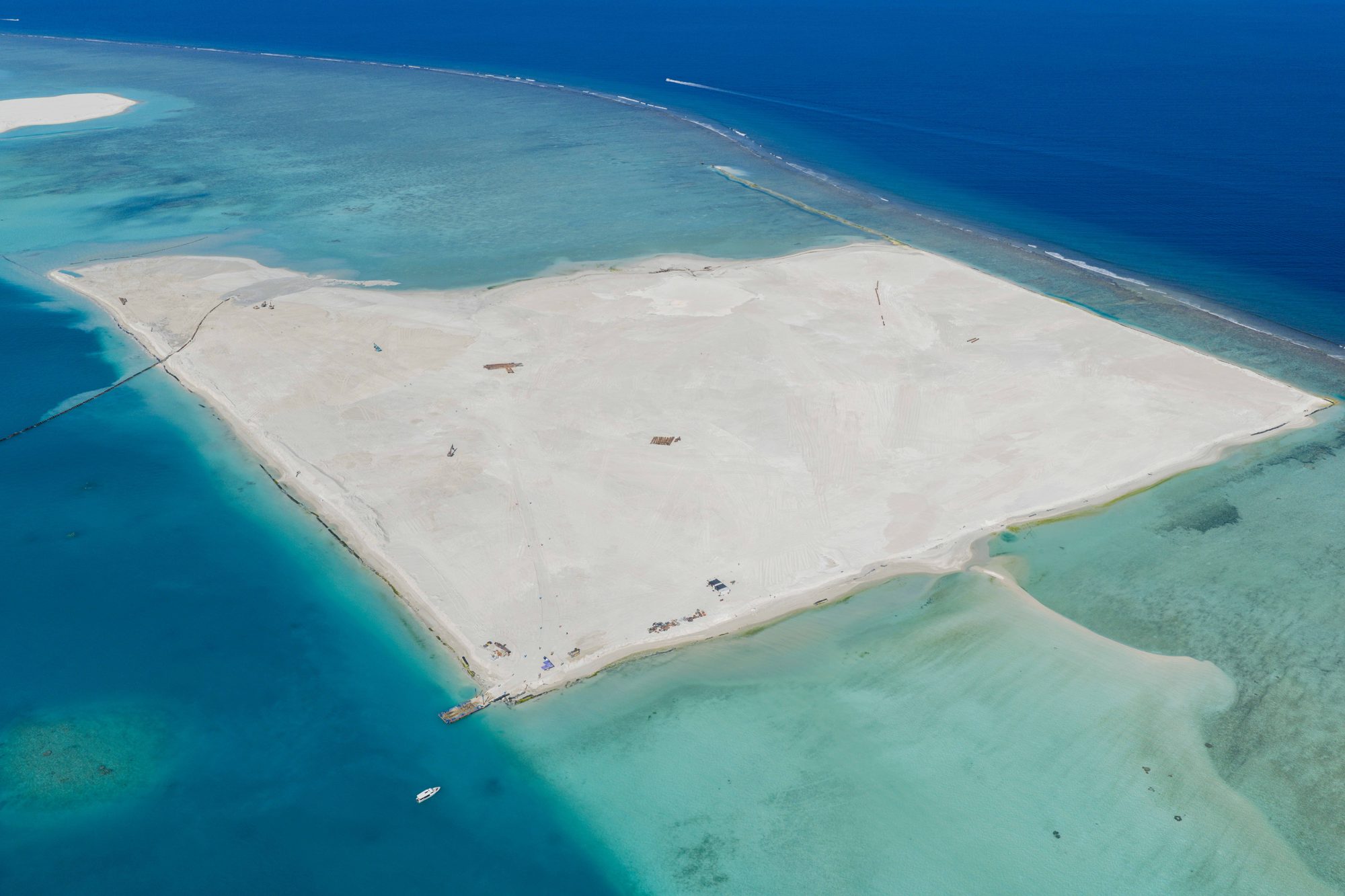
Rasmalé is a planned city on land reclaimed from the Fushidhiggaru lagoon, a short distance from Malé and Velana International Airport. The government's plan has two parts. The first is housing for Maldivians: the President has said 15,000 plots will be allocated in the first phase, out of 25,000 plots of 1,250 square feet across the project. The second is a waterfront and marina development for international buyers, to be built by Eagle Hills.
In September 2026 the President said around 60 to 70% of the land reclamation had been completed, and confirmed that land would be leased to foreign investors, with no transfer of ownership.
What was agreed on 21 September 2026?
The commercial terms have not been published. Ministers have described the main points in public:
| Term | What ministers have stated |
|---|---|
| Scale | About 8,800 properties, plus hotels, a marina, offices, schools and healthcare |
| Land cost to developer | No acquisition fee and no land rent |
| State's share | 10% of first sales and lease revenue |
| Resale fee | 4% to the state on every resale |
| Operating taxes | TGST on businesses operating in the development |
| Housing for Maldivians | Eagle Hills to build 5,000 flats in Hulhumalé |
Headline investment figures for the project vary widely and none has been confirmed in a published agreement. Treat them as claims, not commitments.
What does the Real Estate Business Bill say?
On 9 November 2026 the government submitted the Real Estate Business Bill to the People's Majlis. It is the first law written to govern real estate in the Maldives, and Rasmalé would be its first zone. As drafted, the bill would:
- create a Property Regulatory Authority with a property register and escrow accounts at Maldivian banks;
- let the President declare integrated real estate zones of at least 200 hectares and US$1 billion;
- sell homes in those zones on 99-year leases, with a new 99-year lease issued on each registered sale;
- limit buyers from any one country to 25% of a zone, and bar Israeli citizens and companies;
- charge a 3% lease registration fee and a 4% transfer fee in zones;
- exempt resale gains in zones from capital gains tax and non-resident withholding tax.
The ruling party holds a large majority in parliament, so the bill is likely to pass, but its terms can change in committee.
Is the deal final?
Not yet. Two things are outstanding:
- The definitive agreement between the government and Eagle Hills.
- The Real Estate Business Bill, which sets the rules under which foreigners would acquire and hold property.
The opposition has called for a referendum on the project. At a press conference at the President's Office on 9 November 2026, President Muizzu ruled one out, saying the bill already contains provisions to protect citizens' rights.
What would a foreign buyer actually get?
A long lease, not freehold. Article 251 of the Constitution bars foreign ownership of Maldivian territory and caps leases to foreigners at 99 years. The bill works within that limit: each buyer receives a 99-year lease, and each registered resale starts a fresh 99-year term. That second feature matters, because it means the lease does not run down for each new owner the way a resort villa sub-lease does.
Buyers should expect three practical features:
- Transaction costs built in. A 3% registration fee and a 4% transfer fee, if the bill passes as drafted, on top of agent and legal costs.
- No visa by default. Owning property confers no right of residence. The existing Corporate Resident Visa requires US$250,000 in a five-year fixed deposit or a government-determined project. The Pearl Residence programme has no published terms.
- Off-plan exposure. The land is reclaimed and the city is unbuilt. Delivery depends on the developer's phasing and on the legal framework arriving as promised.
Want to hear when Rasmalé sales terms are published? Register your interest and we will send you the details as soon as they are public. Contact our Malé team.
How does Rasmalé compare with other routes?
| Route | Legal basis | Status (November 2026) | Tenure |
|---|---|---|---|
| Strata unit in a resort | Tourism Act (Law 2/99); Entry Requirements row 26.5 | In force; US$250,000 minimum | Tied to the resort's head lease |
| SEZ sustainable township | SEZ Act (Law 24/2014), amended by Law 18/2025 | In force; first permit December 2025 | Leasehold within a designated zone |
| Integrated real estate zone (Rasmalé) | Real Estate Business Bill | Before parliament | 99 years, renewed on each registered sale |
What are the risks?
- Political. The project is contested, and the opposition has said it would revisit it. Watch how the final agreement and law handle a change of government.
- Legal. Sales would rest on a bill that can still change.
- Currency. The official rate is MVR15.42 to the dollar; unofficial rates of about MVR23.5 were quoted in parliament in November 2026. Confirm how sale proceeds would be repatriated.
- Sovereign. Fitch rates the Maldives CCC- and Moody's Caa1. The Ministry of Finance put public and publicly guaranteed debt at 122.6% of GDP at the end of July 2026.
- Climate. A city on reclaimed lagoon carries long-term sea-level and insurance questions.
- Liquidity. About 8,800 units is a large new supply for a market with no established resale record.
Why it still matters to investors
If the law passes as drafted, Rasmalé would be the first large supply of homes near Malé that foreigners can hold in their own name, with a public register, escrow and a lease that renews on resale. Together with the SEZ township amendment of November 2025 and the planned Pearl Residence visa, it marks a clear policy direction: the government is building a legal path for foreign residential buyers that did not exist three years ago.
The sensible position for now is to watch, not commit. Do not pay any reservation before the definitive agreement, the final law and the title structure are public.
Looking for something you can buy today? We list resort units and investment opportunities that are open to foreign buyers under current law. Browse our investments or contact our Malé team.
Frequently asked questions
Can I buy a property in Rasmalé today? No. Prices and sales terms have not been published, and the governing law has not passed.
Will Rasmalé be freehold? No. Under the Constitution and the bill, foreign buyers receive 99-year leases.
Who is Eagle Hills? A real estate developer based in Abu Dhabi, in the United Arab Emirates.
Will there be a referendum on Rasmalé? The President ruled one out on 9 November 2026.
SAP News will update this explainer when the definitive agreement is signed or the Real Estate Business Bill is passed. This article is general information, not legal advice.
Need Expert Guidance?
Our advisory team can provide personalized guidance tailored to your specific investment goals in the Maldives.